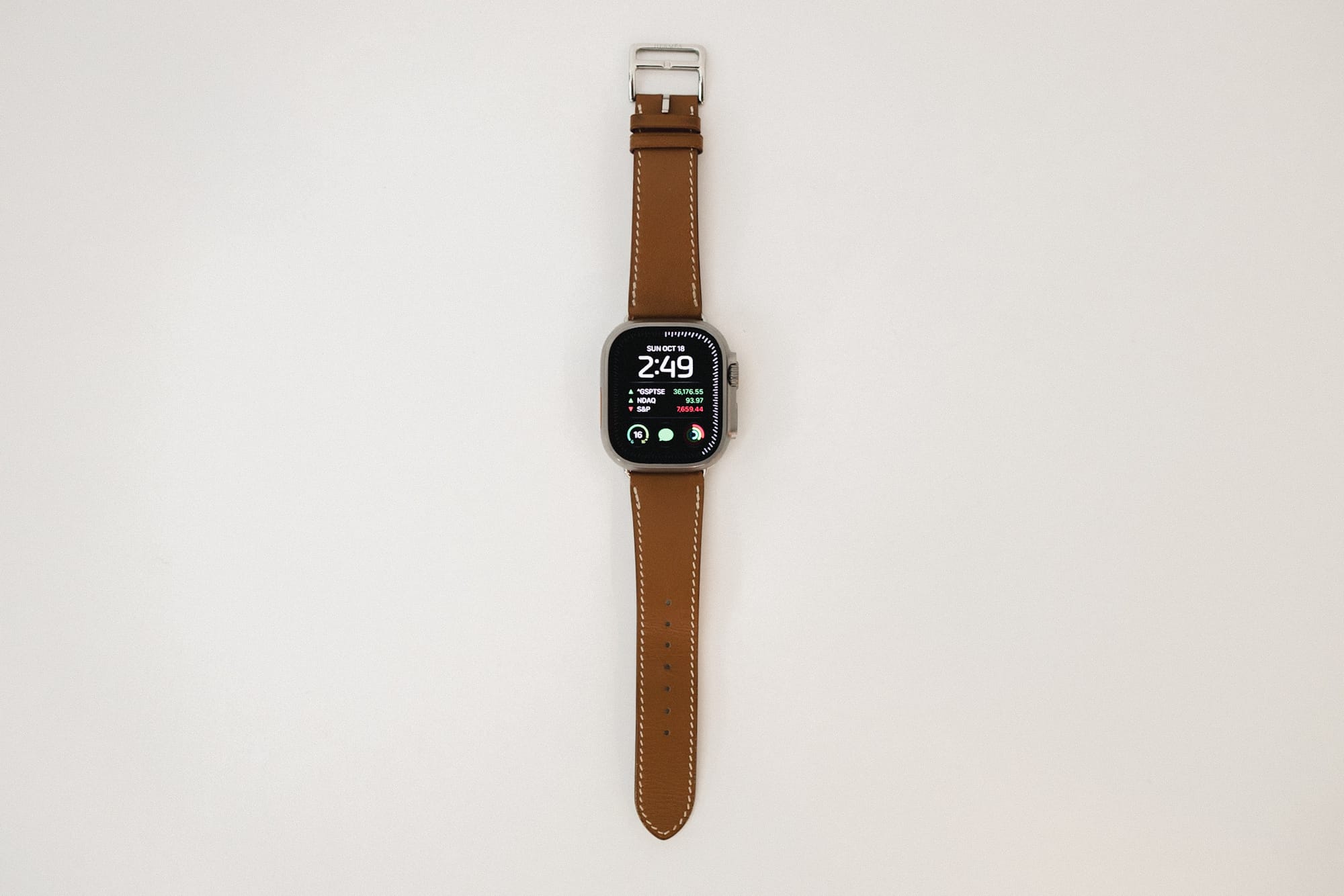
It’s been a long, long time since I wrote a review about a new Apple Watch. I picked up the first-generation Ultra back in 2022 and wore it nearly every day for the last four years. It was the first Apple Watch that truly stuck for me — all past trial runs ended in a return or a sale, for this reason or that reason. The Ultra, though it had its flaws, really found its way into my daily life.
Over time, I learned I used the Apple Watch Ultra for only a few specific things — all of which were fulfilled in an overkill way by the Ultra:
- Notifications — phone calls, text messages, and weather alerts.
- Fitness tracking — both the initiated (jump on the Peloton and ensure the Watch is connected to track heart rate) and the uninitiated (go for an outdoor walk and have the Watch track the walk, even if I didn’t explicitly start a workout).
- Hot tubbing — between keeping track of time, minor notification tracking, and the Ultra’s water temperature sensors, the Ultra became a mainstay in the hot tub.
Outside the above, a few shortcomings of the Apple Watch Ultra led me down the path of trading in the Ultra 1 for a standard Series 11 Watch:
- Sleep tracking — The sheer size of the Ultra always scared me away from using the Ultra as a sleep tracking device. I hoped the Series 11 thinner body would be easier to wear at night.
- Size — Specifically in the winter, the larger Ultra chassis gets pretty tight on the wrist when wearing winter gloves. If I’m shoveling the driveway, for instance, I’ll often trigger an emergency alarm because of the tightness between my winter gloves and my sleeve.
- Design — Though the Ultra was always handsome, I wanted a Watch that was more “fashion-first” rather than “utility-first”. The Series 11 has always appeared “nicer” to my eye.
So I traded in the Ultra 1 for the Series 11, hoping the grass was greener. After a few months, I sold off the Series 11 and picked up the latest Apple Watch Ultra 4. The grass is greener in some ways with the regular Series-line of Apple Watch — the thinner chassis and the fashion-first design make for a very compelling product. For me though, it had just too many compromises I had overcome with the Ultra 1.
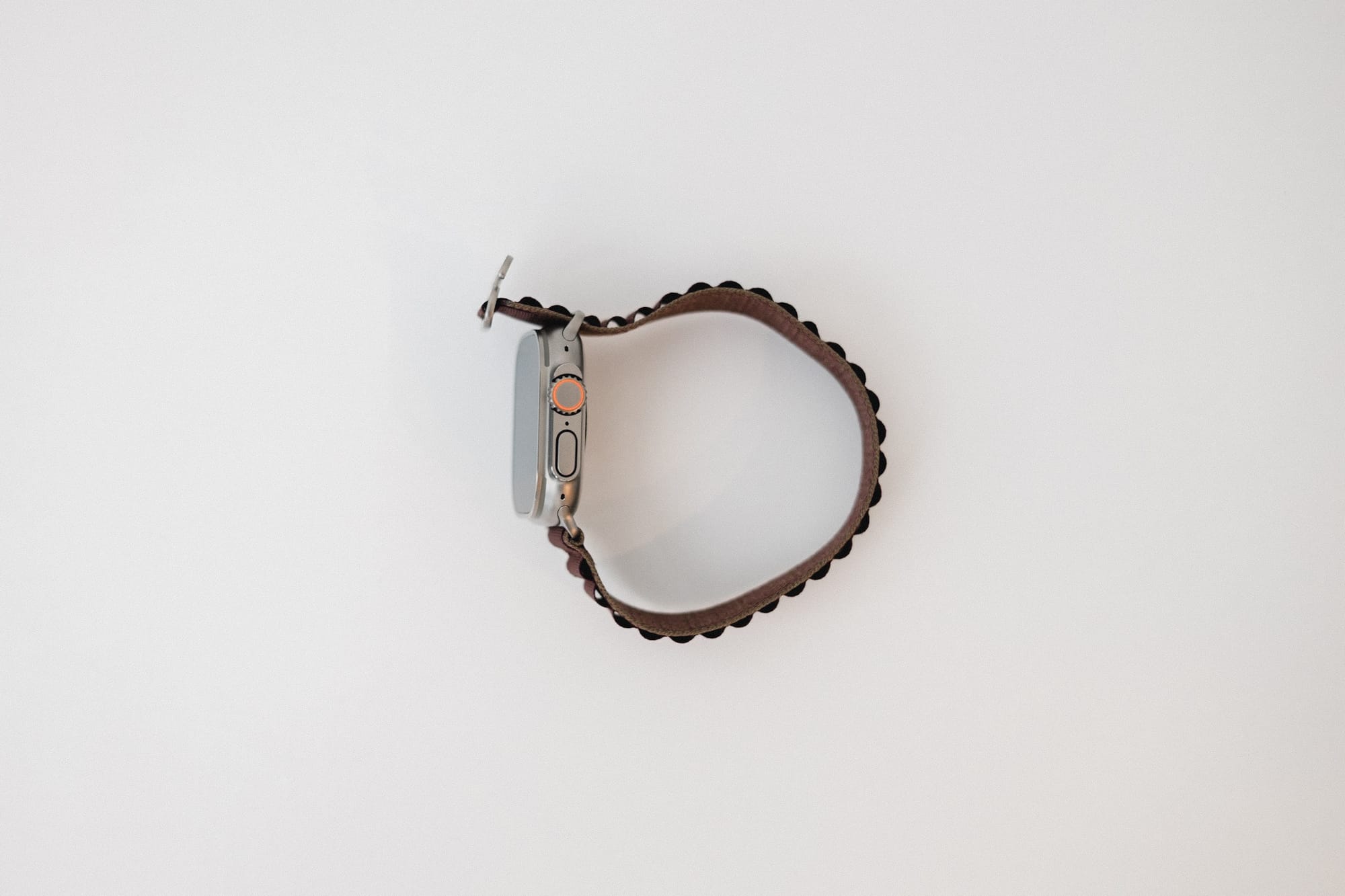
Meaning, I’m back with Apple Watch Ultra 4. And I’m excited to comment on the massive jump from Apple Watch Ultra 1 to the Ultra 4. Though they look effectively identical, there are some serious steps forward.
Why I'm upgrading now
I don’t think the Apple Watch Ultra 4 upgrade package in and of itself would have had me upgrade if I still had my Ultra 1. For the uses I touched on earlier, the Ultra 4 isn’t $750 better than the Ultra 1.
But Apple cut the Ultra 1 from the list of watchOS 27 compatibility. I, among many others, had to decide. I hate that this was the reason an upgrade hit my device cycle. Though I trust the drop in compatibility was done for sound purposes.
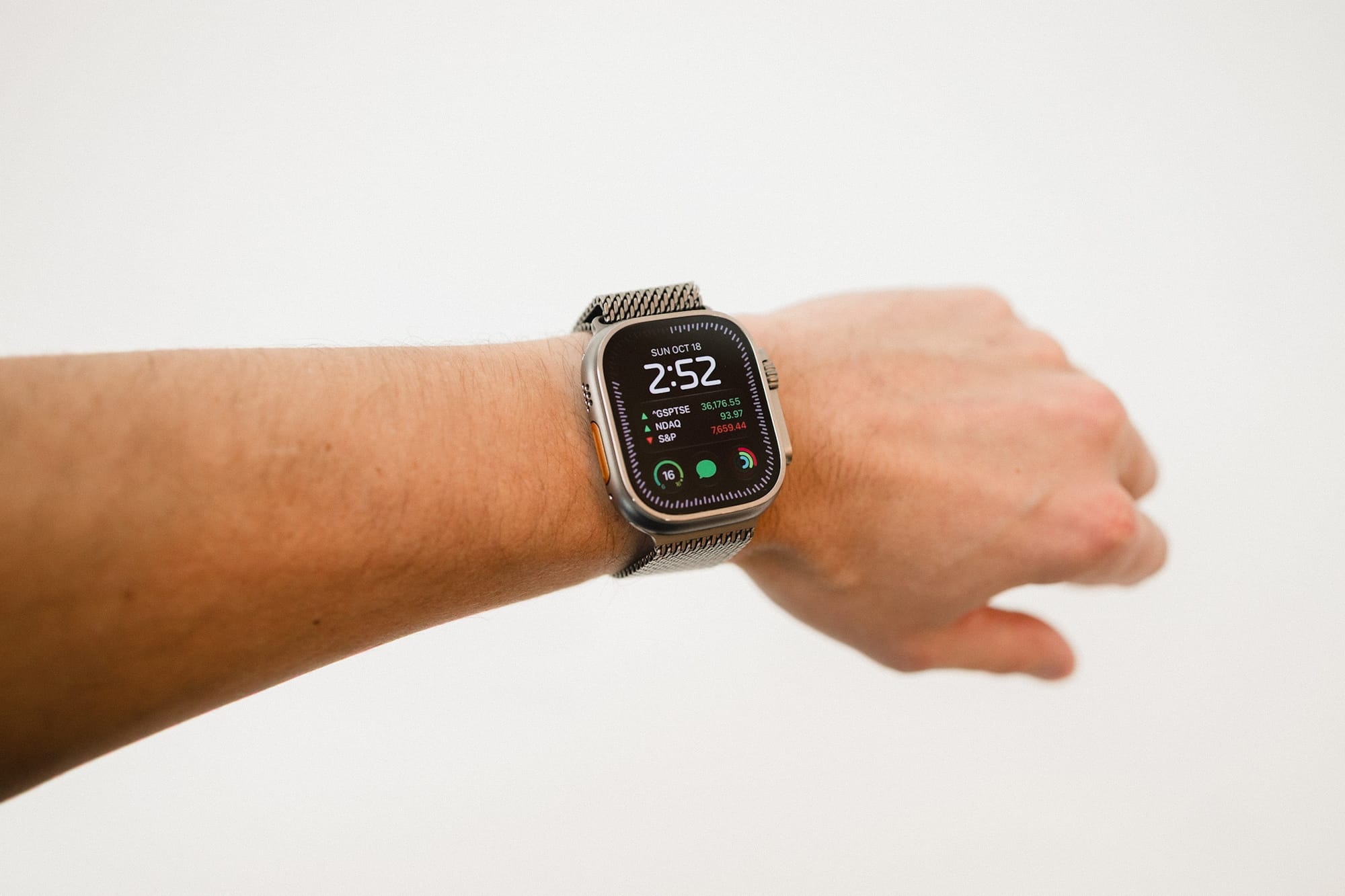
The “forced” upgrade (if you could call it that) has yielded a few noticeable improvements, however:
- Battery life is significantly improved over Ultra 1, both in terms of battery health after 4 years and actual battery life.
- The Ultra 4’s screen is dramatically better than the Ultra 1’s display, especially outside in bright sunlight.
- Apple’s latest S11 chip in the Ultra 4 is orders of magnitude faster than Apple’s S8 chip in the Ultra 1. There are also some future improvements coming soon I’m excited to try thanks to the S11 chip.
I’ll touch more on each of these below. Combined, they make for a bigger improvement than I expected.
Design and build: does "purpose over style" still hold?
Way, way back in 2022, I noted the Apple Watch Ultra 1 was the first Apple Watch to sort of “lean into” a utility-first design. The brushed titanium finish with hard-line bezels and thick chassis made for a relatively bold Apple Watch style, at least in light of the Series Watches having effectively the same design for eight years.
I don’t think I could have said it any better back then. Titanium is a superior material for a watch, but Apple worked to make titanium look more like the stainless-steel variety in the Series line. Apple hasn’t strayed at all from the brushed titanium finish in the Ultra, and I’m grateful for the consistent design.
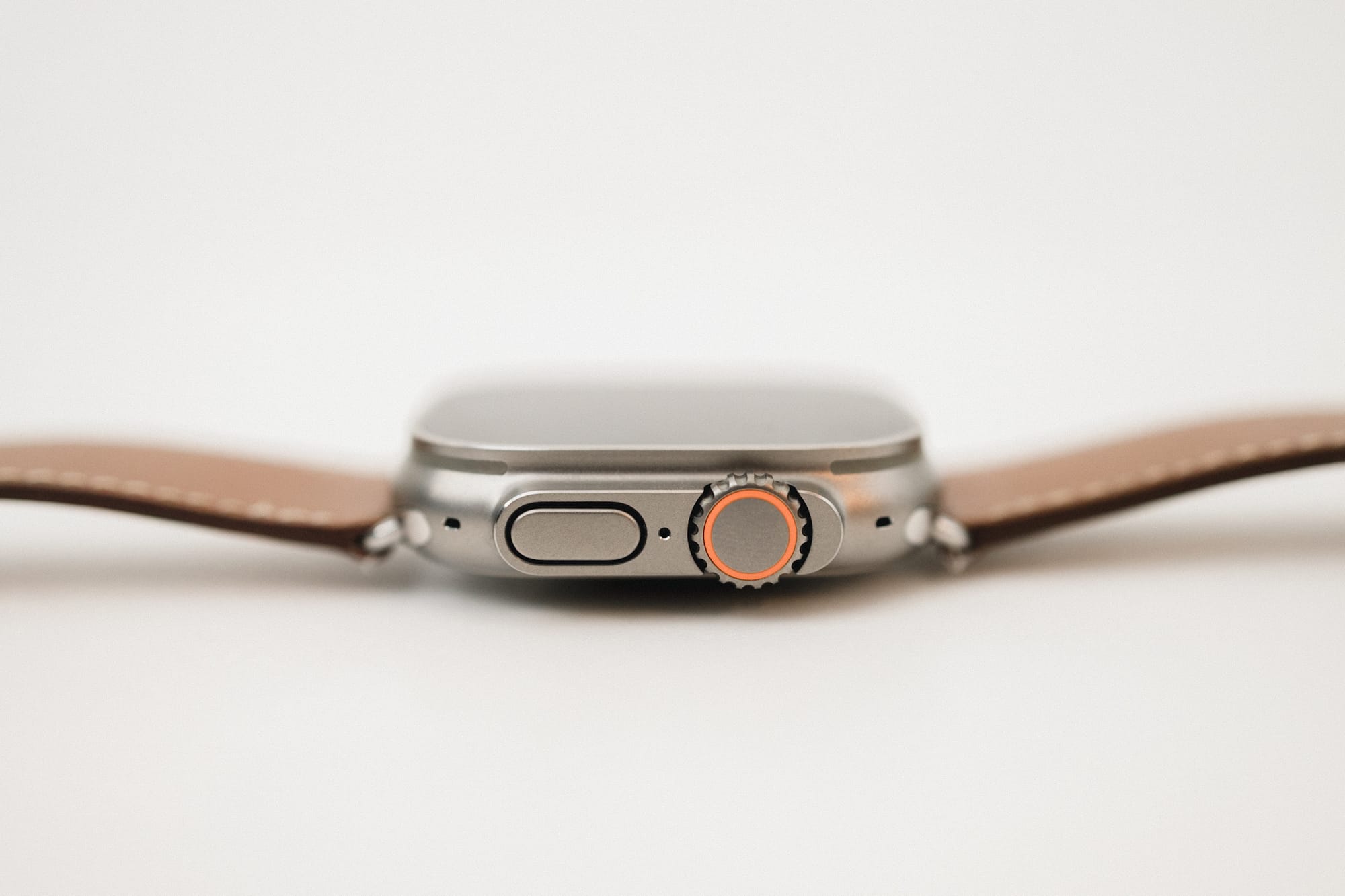
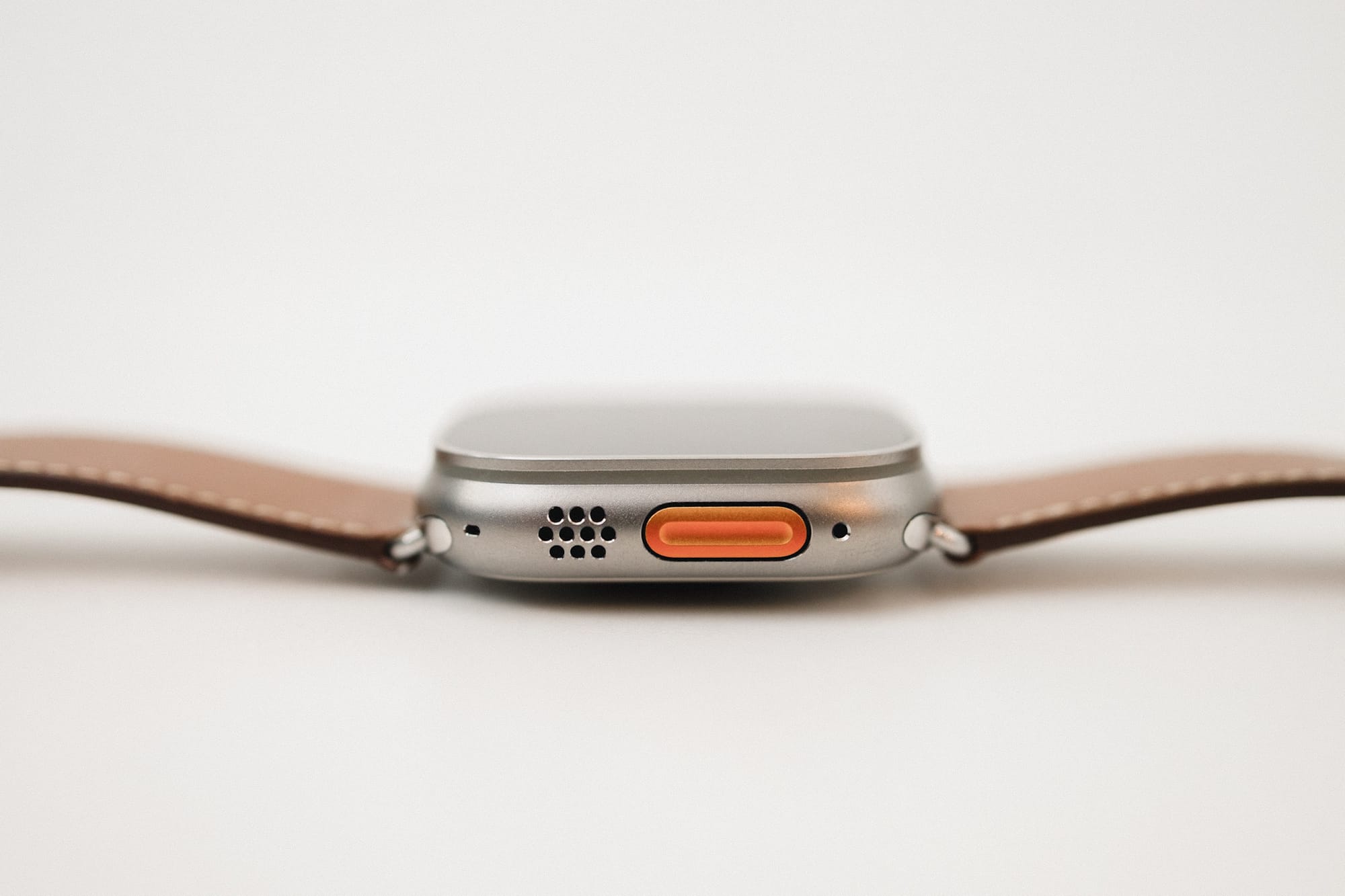
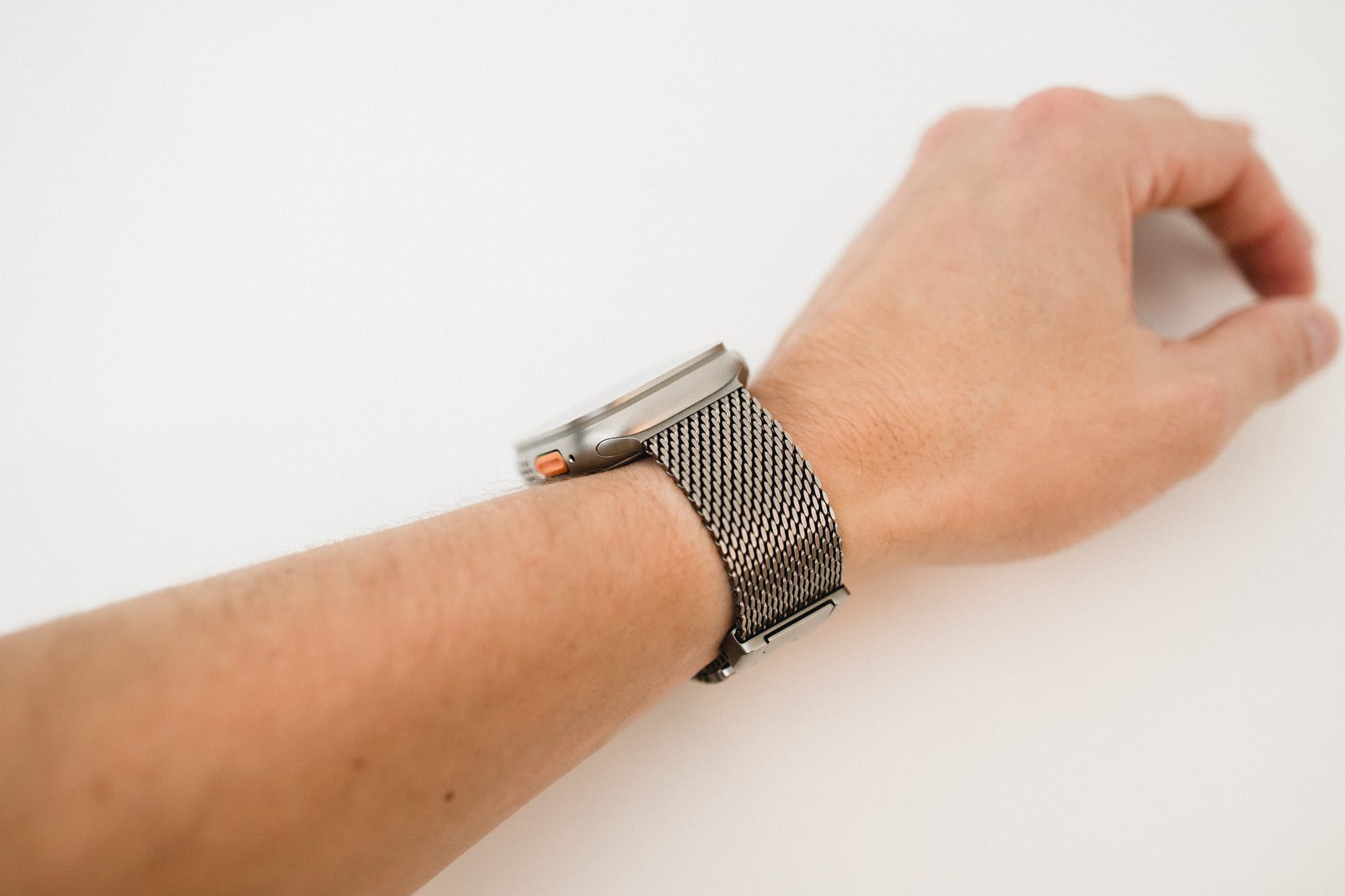
The Ultra 4 is designed utility first and fashion second. It’s big, thick, and overall heavy, and in turn houses a whole host of features and battery life no other Apple Watch has. But though the Ultra 4 puts fashion second, it’s still a looker as far as a smartwatch goes — I maintain you can wear this Watch with a sport jacket, on the golf course, or to the beach. The ubiquity of Apple Watches in today’s age ensures you can be more confident wearing them anywhere you go.
The only difference between the Ultra 1 and the Ultra 4, that I can tell, is the availability of a black colour option. That matte black finish is sleek and is sure to continue its popularity. It’s not for me at all. But it’s as sleek as it gets.
I’m particularly thankful for the consistent physical design from 2022 to 2026. Every band I own still works. Every accessory and charger I own still works. Not a single part of the physical experience is changed, making for a comfortable return to what I loved in the Ultra 1.
This has its pitfalls, to be sure. I noted above how tight the Ultra can be when combined under a dress shirt cuff, a winter jacket, and a dressier pair of winter gloves. The Ultra 4 will be no different. It’s going to get in the way, and I will be annoyed with it, I know it.
Display: the biggest day-to-day difference
One of the more notable improvements between 2022 and 2026 has been the Ultra’s display. The original Apple Watch Ultra debuted the 49 mm display size with hard titanium bezels. At the time, it was ground-breaking — it was big, it was bright, and it was durable.
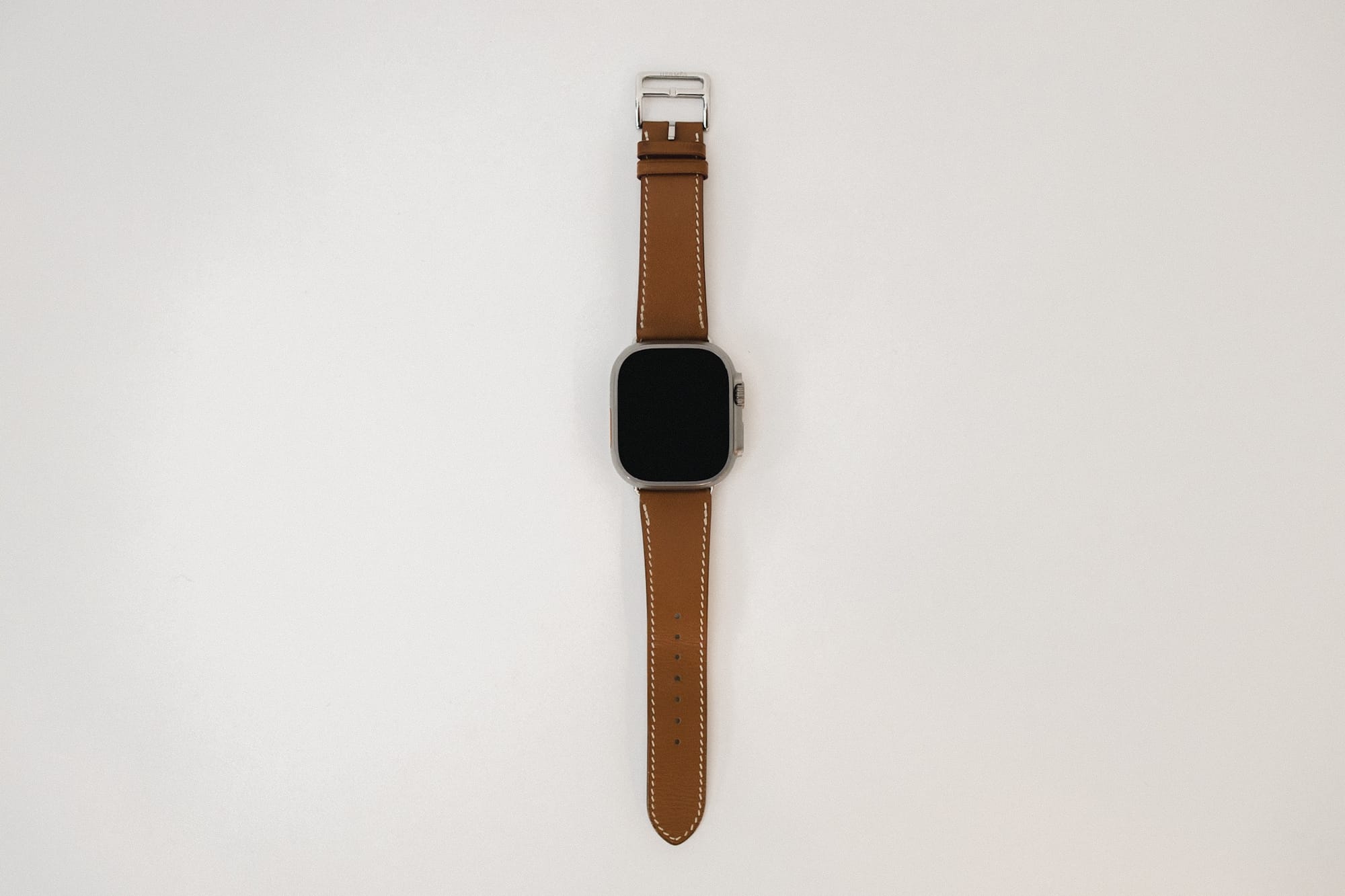
Though the Ultra 4’s dimensions and overall aesthetic haven’t changed, there are a number of under-the-hood improvements to note.
First is the wide-angle OLED display and the larger active area of the screen. It’s not immediately noticeable, but the Ultra 4 has thinner bezels, has wider viewing angles, has a higher screen brightness, and has a lower refresh rate than the Ultra 1. All these features debuted in the Ultra 3, so they aren’t new for the Ultra 4, but they are new if you’re coming from a first-generation Ultra.
The thinner display bezels are something I honestly didn’t notice. They are definitely smaller than the Ultra 1, but this isn’t really worth noting.
What is worth noting are the wider viewing angles and the brighter display, both of which are handy in our bright Manitoba summer and winter days. I would never truly suggest the Ultra 1 wasn’t bright enough on those winter days. But I would say the added brightness is noticeable and noticeably helpful when outdoors.
Most importantly is the lower hertz refresh rate in the Ultra 4’s display. New LTPO3 technology in the Ultra 3 enabled Apple to move the power-sipping always-on display down to a 1 Hz refresh rate, enabling the second hand or second bezel to update every second even in always-on mode. This is one of the most notable improvements from generation 1 to generation 4 — even when you’re not looking at the display, the seconds continue to tick around the Ultra 4’s bezel. No more tapping to look at the second hand if you’re counting down a timer, or if you’re wishing the seconds would pass by at a dull board meeting.
Battery life and charging
If there was one impressive feature I noticed with the regular Series 11 Watch, it was its fast-charging capabilities. Sleep tracking would eat through about 10% of the Series 11’s battery life overnight, and by the time I got off the Peloton in the morning, I’d often be down to 30% or so first thing in the morning. A 10-minute shower and 15-minute get-ready charging session had the Series 11’s battery to over 80%. This was the first time I had experienced fast-charging — or, rather, first time I ever needed fast-charging — and I can now see why it’s such a great feature.
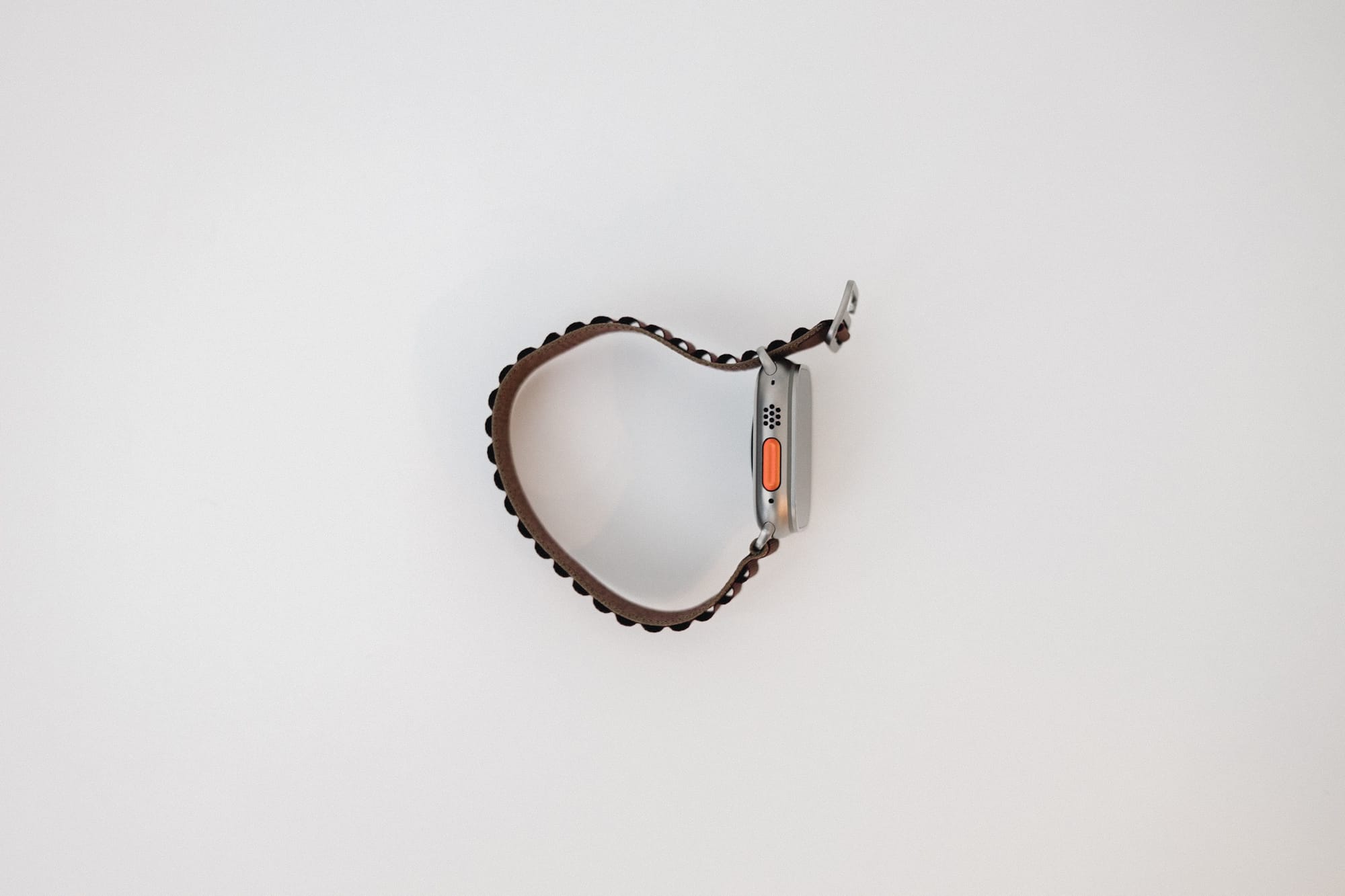
Unfortunately (or perhaps fortunately) I’ve never noticed the Ultra 4’s fast-charging features. I’m sure it charges faster than the Ultra 1. But I don’t ever need to know — my Ultra 4 has the best battery life I have ever experienced in an Apple Watch, and it may have the best battery life of any Apple portable device I’ve ever used.
Apple claims the Ultra 4 can operate for 50 hours of normal use and up to 84 hours in Low Power Mode. Fifty hours is likely conservative — I could push this Watch to 3 days if I wanted to, even with a workout in the morning, a tracked-outdoor-walk in the evening, and a hot tub session at night. It’s genuinely impressive. Instead, I drop it on the charger for 10–15 minutes while I shower in the morning, just like I always have, and I seldom see the battery dip below 80% on a given day.
All this, and Apple says the Ultra 4 fast charges for up to 18 hours of use in only 15 minutes. We’re not talking Garmin smartwatch levels of battery life here, but we’re most certainly talking more than enough battery life for all but a tiny subset of Apple Watch users.
My last comment on battery life: the Ultra 4 uses about 4 or 5% battery to track sleep at night. I’ve returned to tracking my sleep with the Ultra 4 despite its chunky size, and there is effectively no battery concern here. The Ultra 4 sips battery life all night long, and even 5 minutes on the charger will replenish the power used to track sleep.
Health sensing, readiness, and sleep
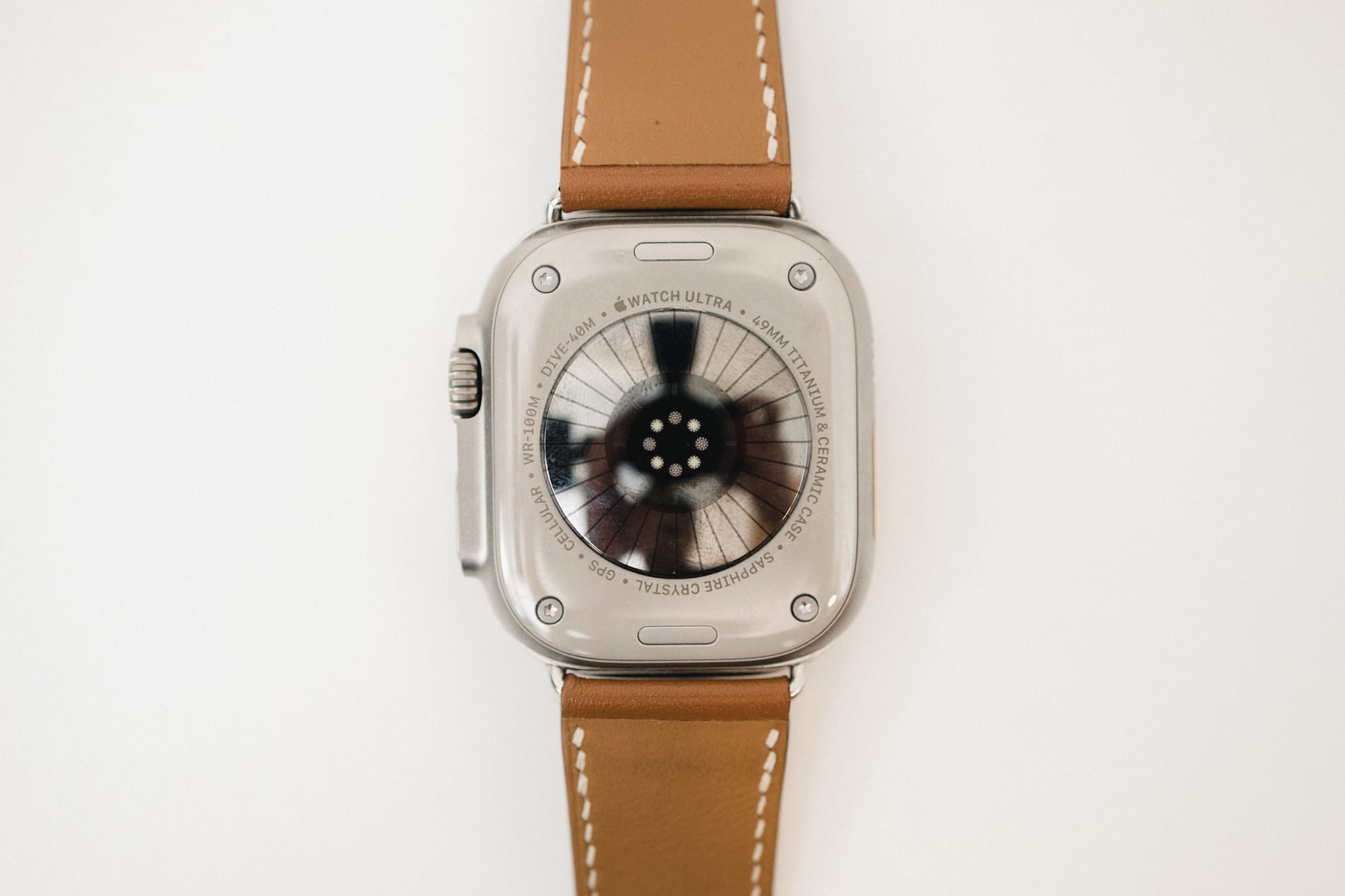
So far, given Apple’s software release schedule, I haven’t had much opportunity to test or even experience the Ultra 4’s health sensing capabilities. Just this morning, I experienced my first atypical night of sleep (perhaps I’m coming down with something), and so I may well find my readiness drop in the coming days. I’m interested to see how this plays out.
Readiness measurement itself is an interesting new feature I’m excited to dive into further when iOS 27.2 arrives with the revamped Apple Health app. I realize that readiness measurements are already available, but I tend to need a bigger screen to dive into those kinds of metrics. As it stands, I don’t find readiness measurements particularly helpful thus far — I’m always tired, I never want to work out, I never feel truly energized, and yet the readiness metric is always “Give it a go!” I tend to look at readiness with an eyebrow-raised, and tend to just push through the workout regardless of what the Ultra 4 tells me.
One of the more impactful health feature differences between the Ultra 1 and the Ultra 4 are the 4’s hypertension alerts. The Ultra 4 (and the Ultra 3 before it) don’t actually take your blood pressure, but they monitor your heart rate data to look for possible signs of hypertension. These alerts only became active for me about a month ago here in Canada, so there’s also limited information I can provide. So far, so good on my front — which is good, as I do continually have high blood pressure readings from my dedicated machine. (That dedicated OMRON machine also suggests I have atrial fibrillation, and the Apple Watch detects no such signs. My physician friends tell me the Watch isn’t to be fully trusted, so the lack of hypertension alerts does not in and of itself mean you are hypertension-free.)
A core reason for my little Series 11 experiment was because I found the Ultra 1 to be too big to wear for sleep tracking. Obviously, the Ultra 4 is no different — it’s big and honking at night, and I certainly feel the Ultra 4 when my hand goes under my pillow at night.
I am, though, getting used to it. Slowly but surely. And I can report that I have been wearing the Ultra 4 for sleep-tracking from the day I pulled it out of the box.
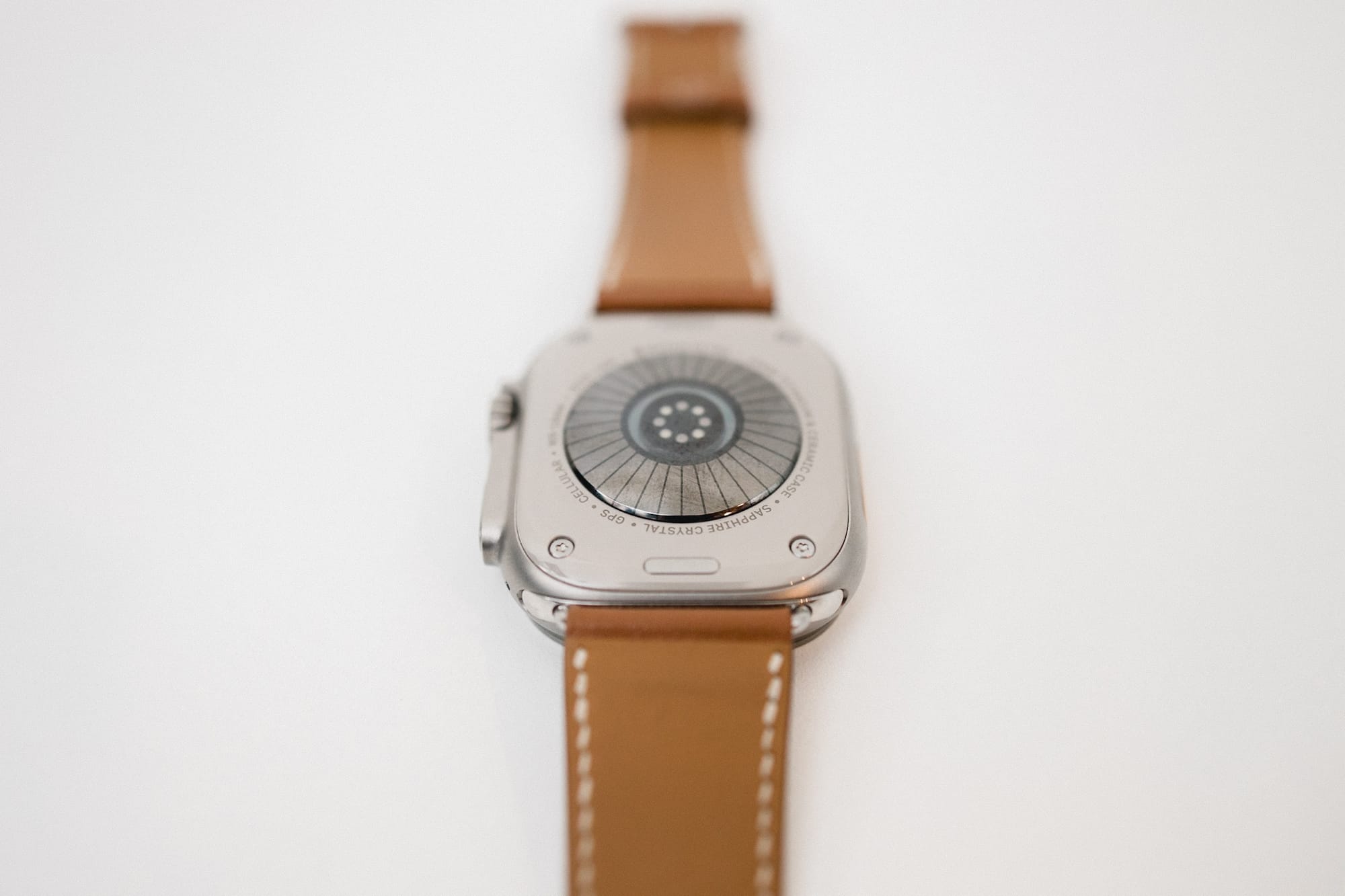
What’s impressive to me is not so much the sleep metrics (which, so far for me, are almost always “Typical” readings, and in my opinion rely too heavily on the sleep goals you put into the Health app) but rather the Ultra 4’s battery usage at night. The Ultra 4’s battery is insane, and I will lose maybe 2-3% tops at night for sleep tracking. I have no idea why Apple requires 20%+ battery capacity for sleep tracking features to execute — the Ultra 4 sips battery while sleep tracking.
Siri AI and the S11 chip
Siri AI is a mixed bag for me. I believe I have lingering public beta profile and backup issues, in that I can’t seem to have Siri AI available on all my Apple devices at once. If I turn it on on my iPhone, it automatically shuts off on my iPad. And vice versa.
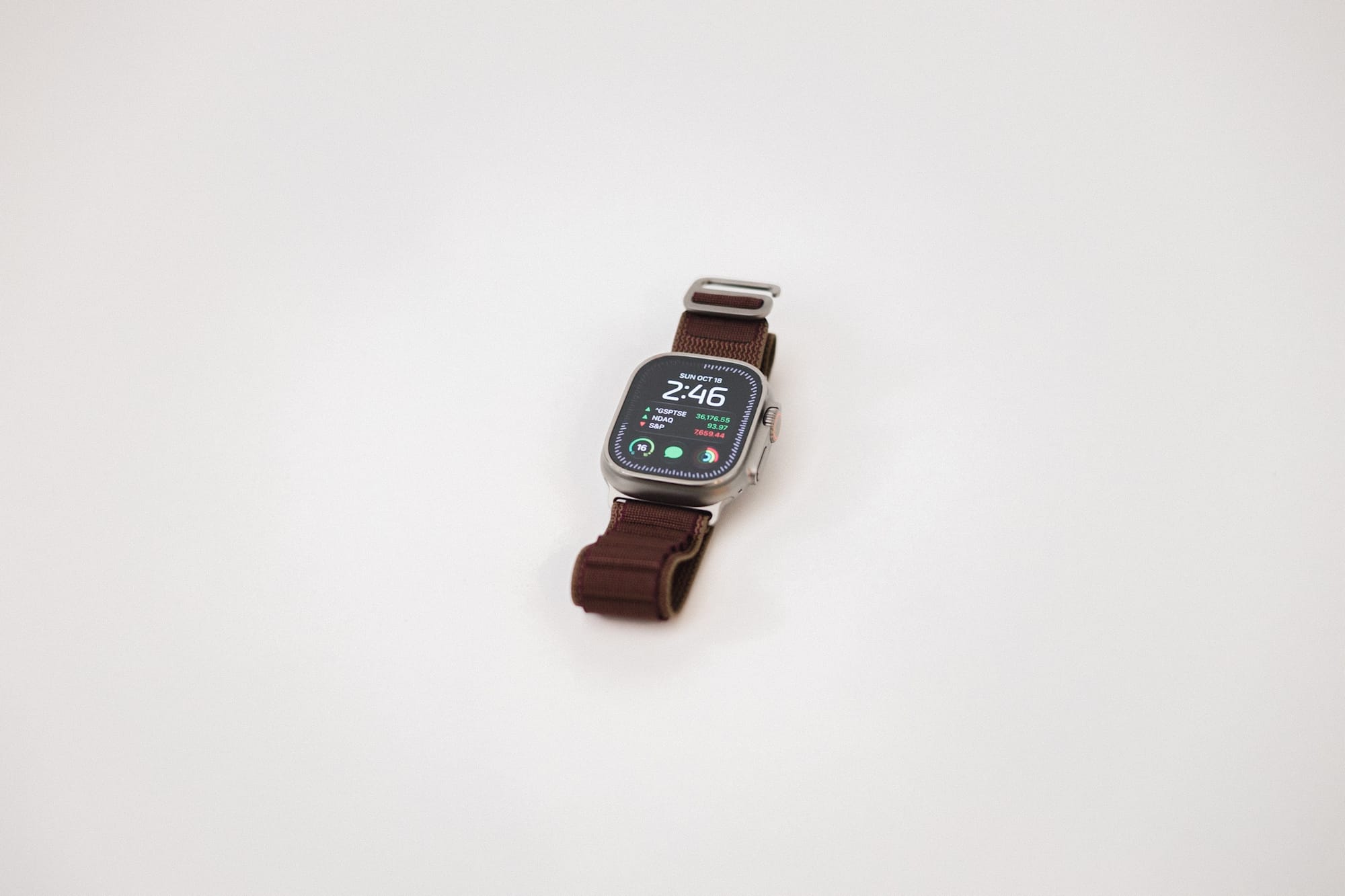
And if I had to choose places to have Siri AI, it would be on iPhone and on Apple Watch. I find the new and improved Siri AI most useful on Apple Watch, where the ability to ask more difficult questions or provide more difficult tasks has been quite handy. This may be due to not having a dedicated Gemini or Claude option on the Watch more than it is how useful Siri currently is — I’m not sure. Regardless, Siri AI on my wrist with the ability to answer more in-depth questions has been excellent.
Siri Recap is one of those features I, like anyone else, will have to report back on. I’ll be especially curious to try this in a professional setting. Here in Canada, my understanding is that only one party to a conversation has to consent to recording, and if you’re a participant to the conversation, you can provide that consent automatically. So Siri Recap, when recording my conversations, should be no issue (at least legally; socially is a different question, and one which will have an ever-evolving answer). It’s the conversations Siri picks up while walking through the town square — conversations I’m not a party to or privy to — that seem to be at legal risk. Apple wouldn’t have launched this type of feature so boldly in the USA (where my understanding is that recording consent has stricter rules) without having proper legal grounds to do so. Either way, we’ll have to see.
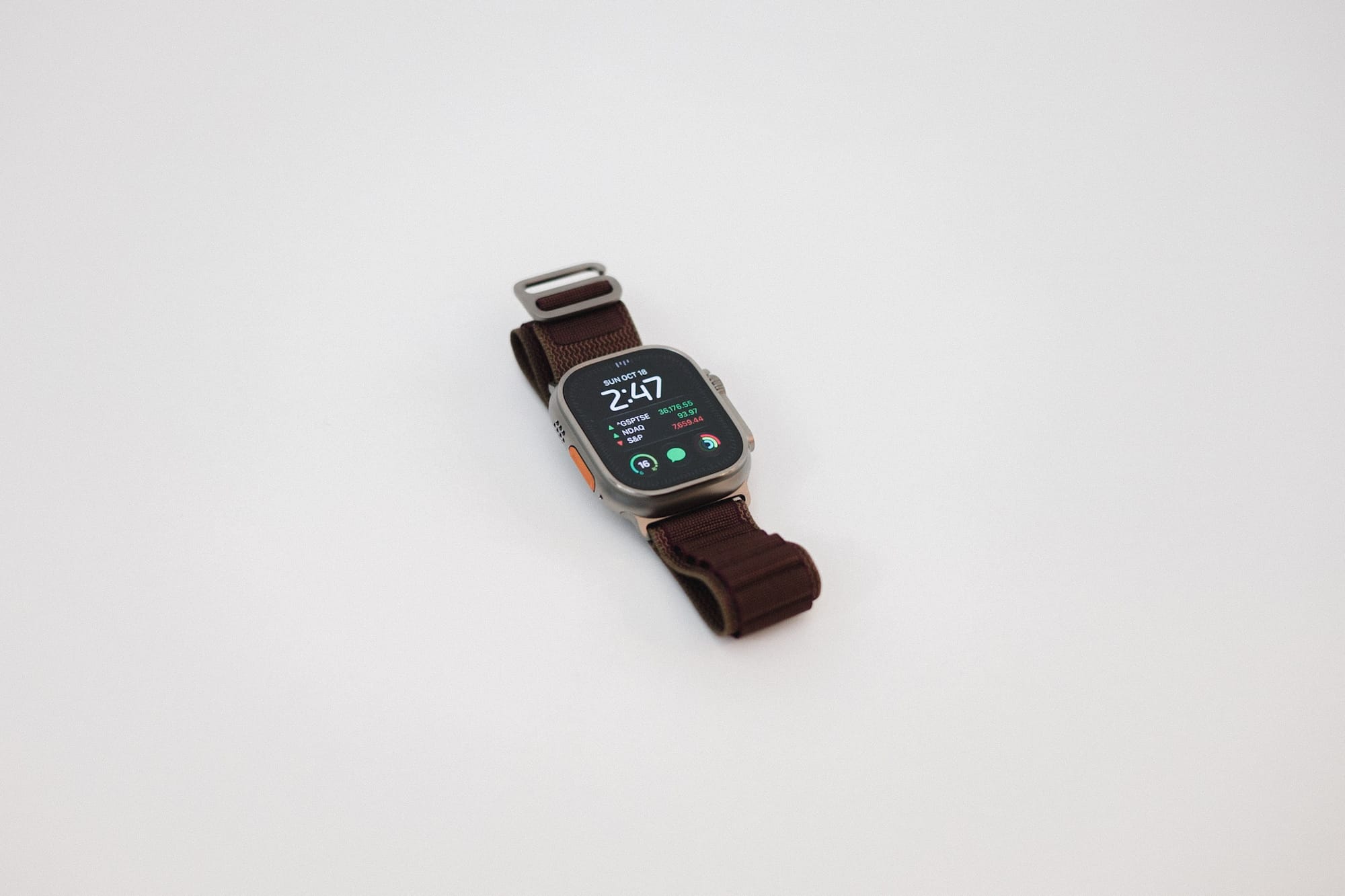
Finally, the S11 chip in the Ultra 4 — I can’t say which has been a bigger improvement from Ultra 1 to Ultra 4 for me: the Ultra 4’s improved battery life, or the Ultra 4’s improved operating speed. Apps on the Ultra 4 actually work. They open, quickly, and can be tapped through without the Watch slowing to a grind. My Ultra 1 use had devolved to being glance-and-check-iPhone — any complication taps would cause a system-wide halt, and I’d give up and pull out my iPhone. Now, with the Ultra 4’s S11 chip, I can leave the iPhone behind more often and just scroll through data right on the Watch. The S11 chip has been a gigantic leap forward from the Ultra 1; apart from battery life, I imagine this will be the thing most 4-year-upgraders will notice.
Apple Watch Ultra 4 vs. Series 11 (and Series 12)
Back in 2022, I stated the Series line effectively lived in the shadow of the first-generation Watch Edition. The Ultra 1 was an “unburdening” of the Apple Watch — a major step forward in what the Apple Watch could do rather than a major step forward in how the Apple Watch looked when doing it.
The question is whether that was the correct take.
I’m not sure if I can fully determine a right or wrong on this.
What I can say though: I don’t believe the people choosing to buy the Ultra 4 over the regular Series Watch are doing so in the name of “ruggedness” or “outdoor athletics” or “deep-sea diving”. People are selecting the Ultra 4 because of the screen size, because of the aesthetics, and because of the battery life. (I would wager it’s almost exclusively because of battery life, but that’s too generalized for me.)
So where I’m unsure if the Series line truly lived in the design shadow, I do believe the “unburdening of the Apple Watch” is the core reason for the Ultra’s popularity. This is an Apple Watch on steroids — durability, battery life, screen size, and boldness — and it leans into this without shame.
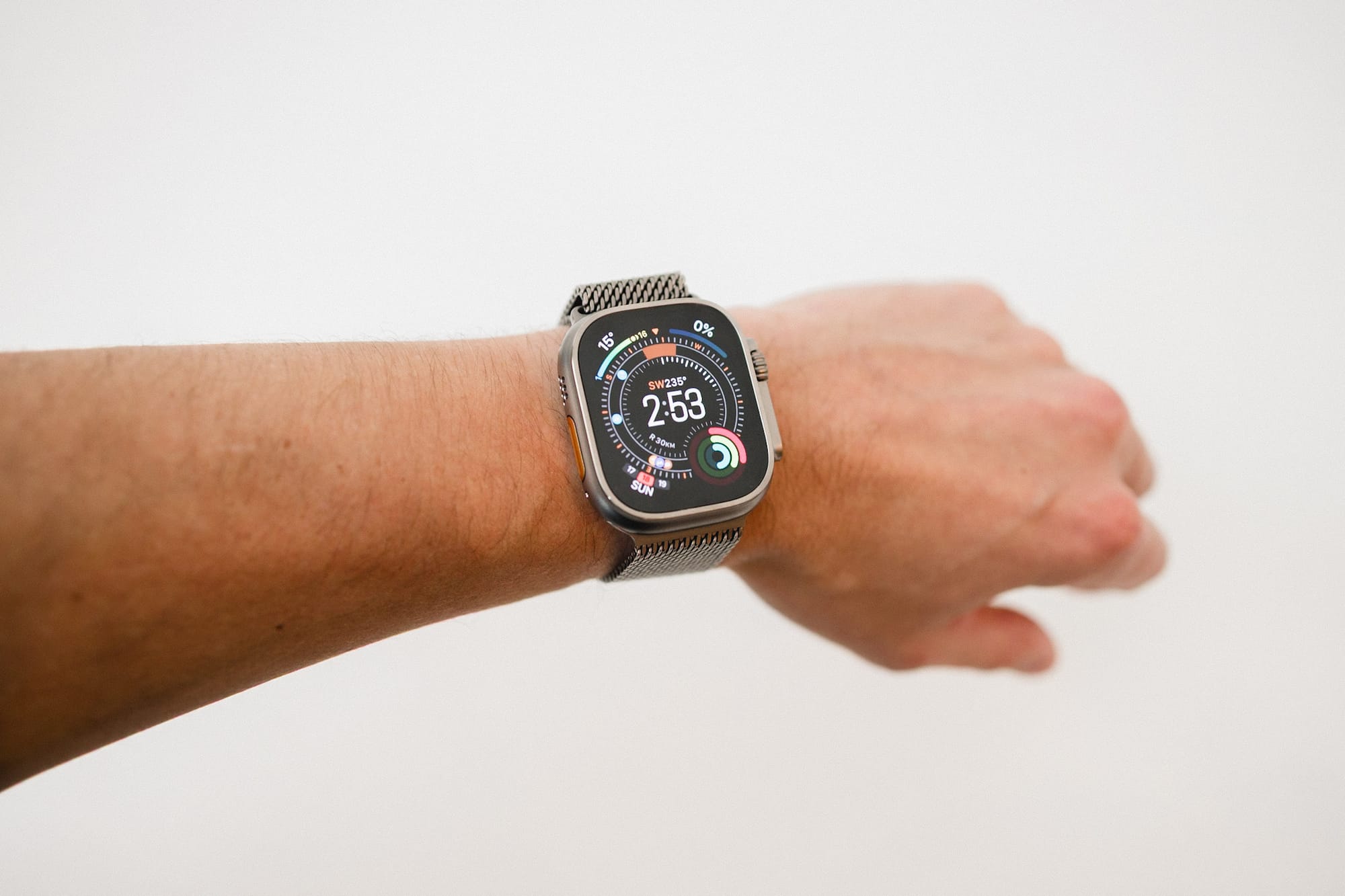
These are the core reasons I prefer the Ultra 4 over my short Series 11 experiment. The Series 11 consistently had me feeling like it was compromising. I couldn’t make it through a round of golf without the battery being destroyed. I didn’t have an Action Button to program. I never felt comfortable taking it into the hot tub. I simply couldn’t use the Series 11 in the way I had come to use the Ultra 1. I even came to miss the Ultra-only Watch faces — the ticking second complication around the outside of the Ultra’s face is very handy, as are the data-rich Ultra-only Watch faces debuting one-at-a-time over the years.
The Ultra 4 is a return to that Ultra 1 experience, and then some.
I don’t regret my experiment at all. The Series 11 reminded me why the original Apple Watches never stuck for me, and the Ultra 4 is a reminder why the Ultra line is now a can’t-miss device for me.
Cost of ownership
The Apple Watch Ultra 1 debuted at $1,099 CAD in 2022, and the Ultra 4 continues to measure at that same starting price in 2026. I traded in my Ultra 1 for $260 CAD, for a net cost of $840 over a 4-year period, or $210 a year. I’ll attempt to measure my Ultra 4 in 4 years’ time.
This will probably be deemed to be an expensive Watch purchase overall.
I would argue, though, of all Apple devices, that Watches are the least prone to needing an upgrade over a short period of time. My opinion, of course. I’d bet most Watch upgrade cycles are in the 3-4 year period, rather than the 2-3 year iPhone period. If it wasn’t for watchOS 27 dropping support for the Ultra 1, I’m not convinced it would have been only a 4-year Watch for me, either.
All of this is to say: The Watch Ultra sticker price is that of the shiny titanium Series watches, and I’d argue the longer-than-normal device upgrade cycle makes the Ultra the better buy. If you’re weighing a shiny titanium Series 12 against the Ultra 4, and you’re looking for a buy-once-and-forget option, the Ultra is certainly going to have a lifetime to it.
Conclusion
Disregarding my Apple Watch Series 11 experiment, the question remains: Would I have updated to the Apple Watch Ultra 4 from the Ultra 1 if watchOS 27 hadn’t forced the issue?
The answer is “probably not”. I don’t think I would have weighed the additional Ultra 4 features beneficially for the $840 additional cost.
But am I disappointed in the upgrade? Not in the slightest.
I don’t know if I could tell you what could improve the Apple Watch Ultra 4. The screen is big and bright. The OS is fast and instant thanks to the S11 chip. The battery life is nearing three full days for my standard usage. It even still takes the same Apple Watch bands I’ve accumulated over the last four years.
I suppose I would ask for the chassis to be a little thinner and lighter to improve comfort, specifically for sleep tracking. But then Apple could keep this particular chassis design and keep packing in battery life — which seems to have been the strategy throughout generations 1 to 4. I believe we’ll reach a point soon that the Ultra can hit a full three days of regular battery life for regular Ultra usage, and we’ll see a thinner and lighter design accordingly. A battery that can last one week is overkill for a device like this.
Overall, the Apple Watch Ultra 4 is bordering on being “perfect” for this particularly robust design. I’d wager we’ll see a thinner body in the next year or two thanks to ever-improving battery technology. At $1,100 CAD or $800 USD, this is, in my opinion, the superior option relative to the almost equally priced titanium Series 12 options.